You're qualified, insured, and registered. Now comes the part the course didn't fully prepare you for: actually getting paid to teach. Here's how new instructors break in — and what to check before you say yes to that first role.
📍 Apply locally and widely
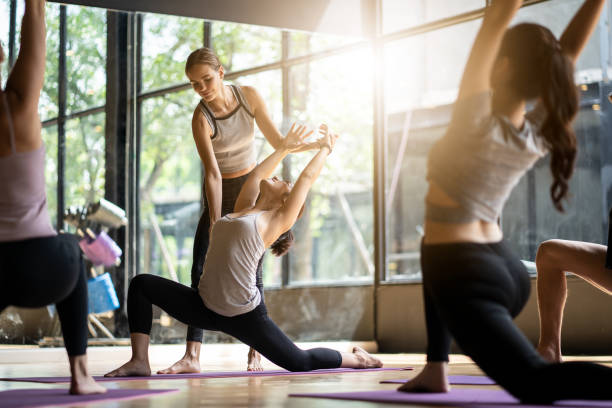
Boutique studios, gyms, community centres, and corporate wellness programs all hire Pilates instructors. Don't wait for the perfect role — early classes are how you build reps, confidence, and references. Cast a wide net across studios that match your training (mat, reformer, or both) and your local area.
🙋 Offer to cover classes
Cover work is the classic foot-in-the-door. Studios always need reliable subs, and a great cover often turns into a permanent slot. Say yes to the unglamorous times — early mornings, weekends — when you're starting out. It's also a low-pressure way to see how a studio actually runs before committing to regular hours there.
💰 Know what you should be paid — including as a sub
Before you accept any role, it helps to know the going rates so you're negotiating from an informed position, not guessing.
Per-class rates are the most common way new instructors are paid, especially for casual and cover work:
- New instructor, first role: around $30–$35 per class is a common entry point at boutique studios
- With 1–2 years' experience and extra training (prenatal, jumpboard, barre): $35–$50 per class
- Experienced instructor, metro studio: $50–$80 per class
- Single cover/sub classes (you drive in for one session) are typically paid at the higher end of these ranges, since the studio is asking for a one-off commitment and you're covering your own travel. Block bookings (5–10 classes back-to-back) usually pay a lower per-class rate but add up to more across a day. Also ask whether pay is a flat rate per class or a per-head rate (e.g. $5–$8 per student). Per-head pay rewards popularity but means your income varies class to class — useful to know before you commit to a regular slot.
The Fitness Industry Award (MA000094) sets the legal minimum, and qualified Pilates instructors generally sit at Level 2 or above. Most studios pay above award rates, but it's a useful floor to know when negotiating your first role. For the fuller picture on earning potential as you progress, see how much Pilates instructors earn in Australia.
🏦 Ask about super — even for casual or sub work
This is easy to overlook when you're just excited to get your first booking, but it matters from day one.
If you're taken on as an employee — even casual, even for a single class a week — your employer is required to pay superannuation at 12% of your ordinary time earnings, on top of your wages. There's no minimum-earnings threshold; it applies from your very first class. If you're offered a role and super isn't mentioned, ask how it's handled — it should appear as a separate line on your payslip, not be absorbed into your per-class rate.
If you're engaged as a contractor (common for subs invoicing via an ABN), you may still be entitled to super if the studio controls your schedule and the work is mainly your labour — the ATO calls this a "deemed employee." It's worth understanding which category you fall into before you start, since it affects your actual take-home value, not just the headline rate. For more detail, see how much Pilates instructors earn in Australia.
This is general information, not financial or legal advice — check your specific situation with the ATO, Fair Work, or a qualified adviser.
🎥 Build a simple presence
A clean Instagram, a short intro video, and a few testimonials go a long way. Studio owners want to see that you can communicate and that clients like you — it doesn't need to be polished, just consistent.
🤝 Nurture your regulars
Retention beats recruitment. Learn names, remember injuries, follow up after a first class. A handful of loyal regulars is worth more than a stream of one-timers — and they refer their friends. This is also where your income starts to compound: regulars are the foundation for private clients later.
🧍 Add private clients
Once you have a small group following, private sessions are your highest-value work — often $80–$150+ per session depending on experience and location. Start with a couple of windows a week and let clients book directly rather than managing it all by message.
🌱 Go independent (when you're ready)
Eventually you may run your own classes — in a hired space, outdoors, or your own small studio. This is where earning potential jumps, but you become responsible for your own bookings, payments, reminders, insurance, and (if you take on staff) their super too.
💡 The mindset shift
Your qualification got you to the start line. Your reliability, warmth, and follow-through are what build a career — and knowing your worth (rate, super, conditions) from day one means you start that career on solid footing rather than catching up later.
If you're still weighing up qualifications, see how to become a Pilates instructor in Australia and compare 16 training providers.
👉 Run your own classes without drowning in admin
When you start taking your own bookings, Slotbookt Fitness handles it all — online booking, payments, class packs, reminders, and waitlists — so a new independent instructor can look (and operate) like an established studio from day one.